
CBD Extract
This page is intended for qualified professional organisations assessing CBD extract for a permitted pharmaceutical, formulation, research or other business purpose. Availability and permissible use depend on the material’s classification, intended application and the rules that apply in the destination market.
When evaluating a CBD extract, buyers should review the identity and documented composition of the specific material, its measured quality characteristics, batch traceability and any limitations on intended use. Product information should correspond to the actual grade and its documented manufacturing and supply arrangements.
Relevant technical information and quality records may be requested to help assess a particular grade. Any reference to EU GMP should be used only where current evidence supports the statement for the relevant site, activities, product and supply chain. Confirm the available documentation, packaging formats and supply conditions for the specific material.

Specifications
Start a technical review with the current controlled specification for the exact CBD extract grade under consideration. This document defines the applicable quality characteristics and acceptance criteria used to assess the material against the requirements of the proposed application.
Depending on the extract and its intended application, the specification may address CBD concentration, the wider cannabinoid profile, identity, assay, purity, related substances, residual solvents, contaminants, relevant microbiological attributes, packaging and storage. Applicable test methods and limits must come from the current approved document; the same test panel should not be assumed for every extract.
CBD extracts may differ in concentration, composition and processing history. Buyers should review the individual grade and its supporting evidence rather than transfer assumptions from another material. Include only technical details confirmed in current product records.

CBD Extract at a Glance
Parameter
Specification
Product / grade
—
Botanical source and extract type
—
Appearance
—
CBD content / assay
—
THC content
—
Other cannabinoids
—
Identification
—
Related substances / impurities
—
Residual solvents
—
Elemental impurities / heavy metals
—
Microbiological quality
—
Storage conditions
—
Packaging
—
Retest / expiry period
—
Product Specification and Certificate of Analysis (CoA)
A product specification describes the requirements a material is expected to meet. A Certificate of Analysis (CoA), where available, reports analytical findings for a particular batch. Reviewing the current specification alongside the matching batch CoA helps buyers compare reported results with the stated acceptance criteria.

Request the Current Specification
Request the current controlled specification, relevant analytical methods and available technical records for the specific grade. Check that the grade name, document version, test panel and acceptance criteria correspond to the material under consideration and the requirements of the intended application and destination market.

What Does a CBD Extract CoA Show?
A batch CoA summarises analytical results associated with an identified lot. The exact contents depend on the product specification and testing programme. Depending on the material and available report, it may include:
Material name and grade
Lot or batch identifier
Manufacturer and relevant production details
Manufacturing date, if recorded
Retest date or expiry date, where assigned
Specification reference and analytical procedures
Identity findings and CBD assay or content
Cannabinoid-profile results, when included in the testing plan
Purity, related substances and other specified impurities
Residual-solvent and relevant contaminant results
Additional tests defined for the material
Batch disposition or authorised-release details, where applicable
The fields reported depend on the approved specification, analytical programme and quality system. Interpret the results in context and compare them with the acceptance criteria for the specific product.

Using a CoA in Supplier Assessment
A CoA can inform a batch-quality review, but it does not independently demonstrate EU GMP compliance, grant regulatory permission or confirm suitability for every use. Those questions require separate evidence and an assessment of the applicable requirements. When making an enquiry, identify the grade, proposed use and destination market.
Assessing EU GMP and Manufacturing-Quality Evidence
Quality-system requirements depend on the product category, manufacturing operations and intended market. Organisations considering a material for a regulated pharmaceutical purpose should establish which requirements apply to their particular product and supply route.
Any EU GMP claim should be supported by current, verifiable evidence covering the relevant site, activities, product and supply chain. A batch CoA, general quality statement or certificate for another facility or activity is not sufficient on its own. Review the scope, validity and relevance of each document.

Records That May Support a Quality Review
Relevant GMP certificate or other applicable quality-system evidence, where available
Manufacturing location and relevant supply-chain details
Current controlled specification for the grade
Batch-specific CoA or analytical report, where available
Batch identification and traceability records
Quality agreement, where appropriate
Supplier approval and change-management information, where relevant
Documented storage, handling, packaging and transport conditions
Product classification and restrictions relevant to the intended use
The existence of a document does not establish that it applies to the specific extract or supply arrangement. Confirm its scope and relevance against the material and proposed use.
CBD Extract for Pharmaceutical and Research Organisations
Pharmacies, manufacturers, formulation teams, distributors and research organisations may need different information depending on how they plan to use the extract. Assessment should be based on the documented characteristics of the specific material rather than on the general product name alone.
Relevant records may include the grade specification, batch test results, cannabinoid composition, applicable quality-system evidence, handling and storage instructions, packaging details and supply conditions. Suitability must be established for the intended product and destination market.

CBD Extract as an Ingredient
Where legally permitted, CBD extract may be considered as an ingredient or starting material in the development or manufacture of a product. Whether a particular grade is suitable depends on its composition, defined quality attributes, manufacturing controls and the requirements applying to the finished product.
Review identification, CBD content, cannabinoid profile and other relevant tests using appropriate methods and batch data. Consider traceability, storage and supporting records as part of the overall assessment. Confirm regulatory requirements separately for the proposed use and destination.

Assessing a CBD Extract
Specification fit: confirm the grade meets the requirements defined for the intended use.
Batch evidence: check whether a relevant CoA or analytical report is available.
Composition: review identity, CBD assay and cannabinoid-profile data where applicable.
Impurity testing: examine the solvent, contaminant and impurity tests specified for the product.
Manufacturing controls: assess quality-system records relevant to the site and material.
Traceability: check batch identifiers and related records.
Handling: verify documented storage and transport conditions.
Market requirements: establish whether the product and intended use are permitted in the destination market.
Commercial arrangements: confirm packaging, lead times and supply terms with the supplier.
CBD Extract Supply Enquiries
Subject to confirmed availability, qualified customers can enquire about extract grades and their controlled specifications, batch analytical documentation, relevant quality-system evidence, confirmed packaging formats, supply status, lead times and quotation details. Information available must be confirmed for the specific material.
Request CBD Extract Documentation
To help the team respond, include your organisation type, intended application, target grade or constituent profile, approximate quantity, destination market and the records you need to review. Product availability, packaging and documentation should be confirmed for the specific grade rather than assumed.
Contact the team to discuss a specific CBD extract grade and request the technical and batch documentation available for assessment.
Request documentation →Frequently Asked Questions

Cannabidiol API
Cannabidiol API for qualified pharmaceutical manufacturers, formulation developers, distributors and other permitted B2B applications. Contact our team to discuss product-specific specifications, available quality documentation and supply requirements.
View Cannabidiol API →
THC Extract
THC-focused standardized cannabis extracts intended for qualified professional applications, subject to applicable regulatory requirements and product availability.
View THC Extract →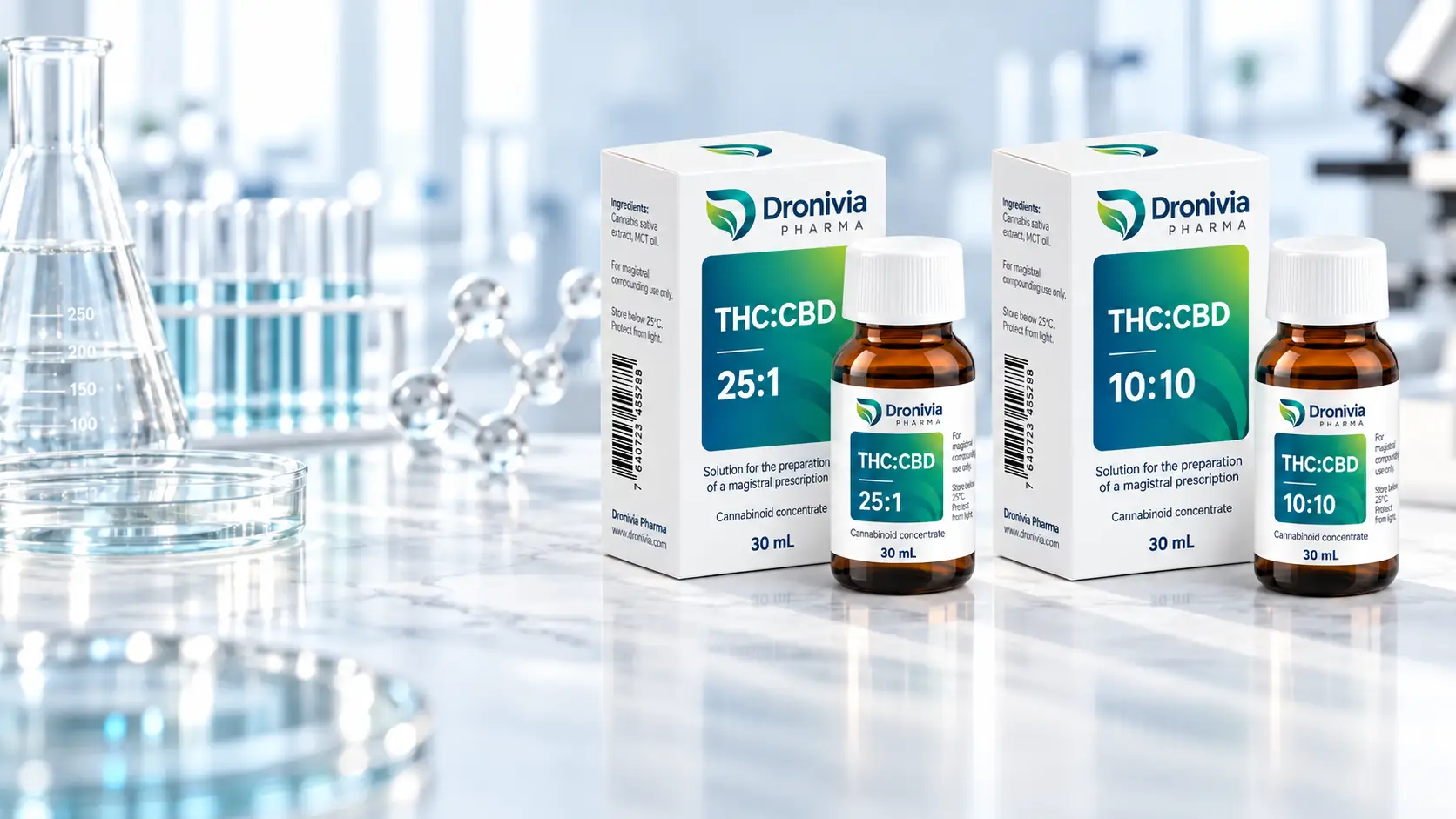
Standardized Extracts
Extracts with defined cannabinoid profiles, supporting consistency, traceability and professional evaluation for relevant applications.
View standardized extracts →